

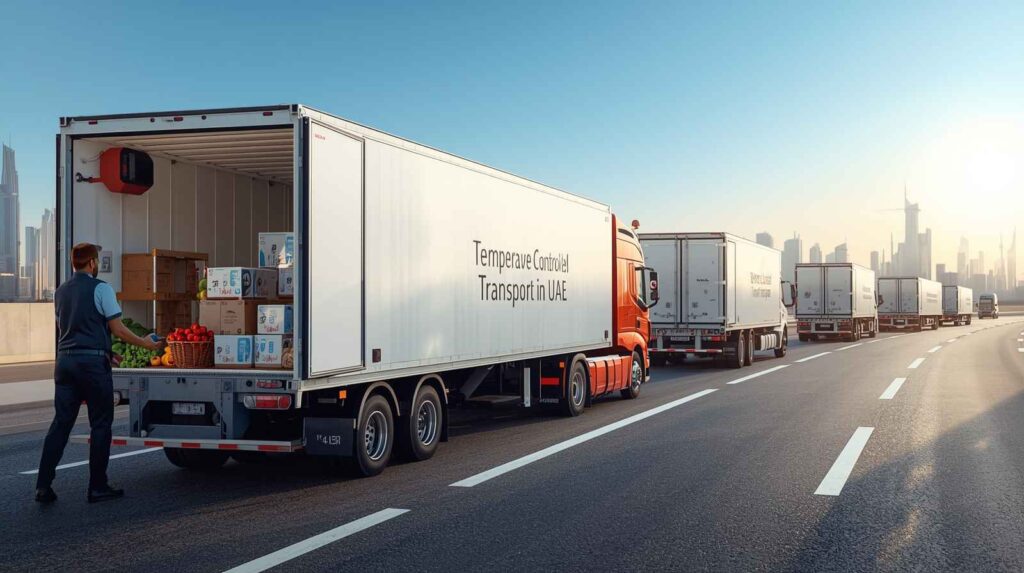
In the UAE, handling temperature-sensitive goods like pharma, food, and fresh produce requires specialised logistics. Temperature-controlled transport ensures that these products remain safe, fresh, and compliant with strict local regulations from the point of origin to the final destination. With advanced technologies, trained personnel, and reliable vehicles, businesses can maintain the right temperature ranges and prevent spoilage, reduced efficacy, or other losses, making it an essential part of modern supply chains in the UAE.
What Is Temperature-Controlled Transport?
In the UAE, temperature-controlled transportation has become essential for moving sensitive goods such as food, pharmaceuticals, and chemicals safely across the country. With the extreme heat and high humidity, cold chain logistics ensures that goods maintain product integrity throughout transit from origin to destination. Using specialised equipment like reefers, refrigerated trucks, and refrigerated containers, businesses can prevent spoilage or damage by maintaining specific temperature ranges such as frozen, chilled, or ambient. I have personally worked with fleets that use advanced monitoring systems for real-time tracking and alerts, making it easier to manage the supply chain while leveraging technology for precise climate control and data reporting.
The range of temperatures is critical, from cryogenic at -180°C to -80°C, frozen at -20°C, refrigerated at 2°C to 8°C, and controlled room temperature at 15°C to 25°C. Proper equipment such as insulated containers, refrigerated trailers, and reefers, combined with advanced packaging and phase change materials (PCMs), ensures goods like fresh produce, meat, dairy, frozen foods, and beverages in food & beverage; vaccines, medications, biological samples, and medical devices in pharmaceuticals; as well as flowers, cosmetics, batteries, industrial chemicals, and other sensitive manufacturing components are protected.
This system preserves quality, supports product efficacy and safety, ensures compliance with strict industry regulations for medical products and food products, and reduces waste, preventing spoilage or adulteration. Using specialised units, including temperature-controlled trucks, containers, and reefers, alongside continuous monitoring with sensors that track temperature, and data transmitted in real-time, combined with active control through cooling units or heating units to maintain set temperature even during door openings, allows alerts & reporting through immediate notifications and detailed reports to confirm all delivery conditions are met reliably.
Why Temperature Control Is Critical in the UAE Climate
In the UAE, temperature control is a fundamental necessity due to extreme heat and high humidity, which directly affect human health and safety. During summer temperatures, which can exceed 40°C (104°F) and sometimes reach 50°C, prolonged exposure to high temperatures can lead to heat stress, heat exhaustion, heatstroke, and even permanent organ damage or death if not treated immediately. Dehydration, caused by excessive sweating, leads to rapid water loss, salt loss, cognitive decline, and a measurable drop in cognitive ability and productivity. To protect workers, the UAE government enforces mandatory regulations like the Midday Break Rule, limiting outdoor work during the hottest hours between 12:30 pm and 3:00 pm from June 15 to September 15, ensuring human survival with proper protective measures.
Maintaining a safe indoor environment or comfortable indoor environment also requires extensive air conditioning (AC), which places massive energy demands on infrastructure. Cooling can account for up to 80% of electricity use in some buildings during summer months, creating a high demand that strains energy infrastructure. Effective building design and architectural design, including insulated walls, strategic building orientation, and advanced cladding systems, help reduce the burden on cooling systems, while system maintenance and continuous operation of HVAC systems in a hot environment, dusty environment, or saline environment ensure energy-efficient solutions and smart HVAC systems remain functional despite wear and tear, requiring frequent maintenance.
Across various sectors, precise temperature control is critical for operational integrity and compliance, supporting cold chain logistics, safe transport, and storage of perishable goods like food, pharmaceuticals, and delicate flowers. Proper temperature control prevents temperature fluctuations, spoilage, and waste; reduces health risks; and ensures real-time monitoring of climate-controlled vehicles and sensitive product storage, like electronics, artwork, antiques, and important documents in climate-controlled storage facilities, promoting preservation, supporting agriculture through Controlled Environment Agriculture (CEA), helping cultivate crops under a harsh climate with advanced cooling systems and shade management, and maintaining optimal growing conditions while sustaining public health, economic productivity, and sustainable development in one of the world’s most challenging climates.
Types of Temperature-Controlled Transport Vehicles
In the UAE, temperature-controlled transport relies on a variety of vehicles designed to handle fresh goods, frozen items, and chilled goods efficiently. Refrigerated vans and refrigerated trucks (chillers) are commonly used for produce and dairy, maintaining precise temperatures between 0°C and 8°C, and are either powered by engine or independent units. Freezer trucks and freezer vans carry items like ice cream and meat at much lower temps, sometimes reaching -30°C or below. For smaller shipments, insulated trucks and insulated containers with thick insulation, coolants, or dry ice help maintain temperature passively for short trips without active refrigeration, while multi-temperature zone trucks allow shipping frozen goods, chilled goods, and ambient goods together, ensuring that all products remain safe during transport.
For larger shipments, refrigerated trailers and reefers act as large towable units for bulk transport, suitable for ocean haul or long-haul routes. Advanced Active Systems, including built-in refrigeration units, freezing units, compressors, and evaporators, powered by diesel, electric engines, or hybrid engines, provide precise control over temperatures. Meanwhile, passive systems like insulated boxes using phase change materials (PCMs) or dry ice can hold temps for a set time, ideal for last-mile deliveries or air freight. These solutions support industries such as food & beverage, pharmaceuticals with vaccines and medicines requiring strict 2-8°C or frozen storage, and floriculture with flowers, making temperature-controlled transport a critical component for reliable logistics in the UAE.
Chiller Vans vs Freezer Vans: Key Differences
When it comes to temperature-controlled transport in the UAE, understanding the core difference between chiller vans and freezer vans is essential. Chiller vans are designed to keep items fresh by maintaining a temperature range of 0-8°C, making them perfect for fresh products like dairy, produce, fresh food, drinks, flowers, baked goods, and even some pharma. With less insulation of about 50-75 mm and a medium-duty cooling unit, they excel at preserving freshness and slowing bacterial growth without freezing the items. I’ve often found that using chillers for fresh goods ensures the ideal cargo arrives in perfect condition, while still being lighter on unit power and easier to handle.
On the other hand, freezer vans are built for deep freezing and extreme cold retention, holding items frozen at below -18°C. These vans have thicker insulation (75-100+ mm) and a more powerful cooling unit, suitable for frozen foods, ice cream, meat, fish, pharmaceuticals, and other frozen goods. While a freezer ensures sub-zero conditions, using it for fresh items can be overkill and expensive, and even a chiller can ruin frozen goods if the temperature isn’t low enough. The trick is to choose based on product needs, whether transporting chillers for fresh goods or freezers for frozen cargo, balancing insulation, unit power, and the purpose of your temperature-controlled transport.
| Feature | Chiller Vans | Freezer Vans |
|---|---|---|
| Temperature Range | 0-8°C | Below -18°C |
| Ideal Cargo | Fresh food, dairy, produce, drinks, flowers, baked goods, some pharma | Frozen foods, ice cream, meat, fish, pharmaceuticals |
| Insulation | 50-75mm, lighter insulation | 75-100+ mm, thicker insulation |
| Cooling Unit | Medium duty, moderate unit power | High duty, more powerful |
| Purpose | Keep items fresh above freezing, slow bacterial growth | Keep items frozen solid, extreme cold retention |
| Cost & Efficiency | Cheaper, energy-efficient | Expensive, energy-intensive |
| Risk | Can’t transport frozen goods | Overkill for fresh items, can damage them |
Temperature Ranges for Different Goods in the UAE
In the UAE, transporting food, meat, seafood, dairy, and other perishables requires careful attention to temperature ranges. For deep freeze conditions, below -18°C, products like ice cream, meats, and frozen foods must be kept solid, while frozen storage between -18°C and 0°C ensures other frozen items remain safe. Chilled or refrigerated transport at 0°C to 5°C is ideal for fresh produce, dairy, and ready-to-eat meals, preventing spoilage while slowing bacterial growth. For items that tolerate a slightly higher temperature, cool transport between 8°C and 15°C, such as processed foods, certain pharma, and cheeses, maintains quality without freezing, keeping heat-sensitive goods stable.
Other categories require precise control at room or controlled ambient temperatures, 15°C to 25°C, suitable for cosmetics, electronics, dry goods, artwork, and general ambient items. Above Ambient or Hot Hold at 60°C+ is used only for hot foods, especially during service or display, following DM rules from Dubai Municipality. Pharmaceuticals often need 2-8°C or cool conditions (8-15°C) to avoid heat damage. Speciality items like antiques, wood, leather, and art must be in climate-controlled zones (15-27°C) to prevent spoilage and extreme heat exposure. Using cold chain logistics with refrigerated transport, monitoring, and containers helps protect perishables, sensitive goods, electronics, and paints from extremely hot conditions (>30°C), ensuring safe delivery across the UAE.
Industries That Rely on Temperature-Controlled Transport in the UAE
In the UAE, pharmaceuticals & healthcare play a critical role in temperature-controlled transport, requiring precise temperature control for vaccines, insulin, medicines, biologics, life-saving drugs, and medical samples. Compliance with Good Distribution Practices (GDP) ensures safety, efficacy, and effectiveness, protecting products from heat damage and spoilage during transport. I’ve seen firsthand how specialised refrigerated trucks, chiller vans, and monitored cold storage maintain stable temperatures and integrity, giving healthcare providers confidence that sensitive pharmaceuticals reach the consumer in perfect condition.
Other key industries like food & beverage, chemicals & industrial materials, cosmetics, and e-commerce rely heavily on cold chain logistics. Fresh produce, meat, seafood, fresh fruits, veggies, ice cream, bakery items, chocolates, beverages, perfumes, beauty products, and personal care items require controlled temperatures to retain freshness and quality. Online grocers and retailers depend on temperature-controlled transport to deliver fresh groceries and sensitive electronics safely across the UAE’s hot climate, preventing spoilage and ensuring integrity from source to consumer, even for horticultural products and fresh flowers shipped globally.
UAE Regulations & Compliance for Temperature-Controlled Transport
In the UAE, Dubai Municipality (DM) and the Integrated Transport Centre (ITC) in Abu Dhabi set strict rules for food transport, pharmaceuticals, and other sensitive goods. Food handler courses, health certificates, hygiene standards, and approved vehicles under DM-FSD-GU63 guidelines ensure safety, quality, and regulatory compliance. For pharmaceuticals, Good Distribution Practices (GDP compliance) and strict temperature control are critical, with 2-8°C for vaccines and <0°C for frozen goods. Monitoring, traceability, and documentation—including temp logs, permits, correct labelling, and UN numbers—keep the cold chain unbroken while protecting products from extreme heat and high ambient temperatures (45°C+).
Vehicle standards and personnel training are equally important. Refrigerated units, chiller units, freezer units, proper insulation, and functioning refrigeration maintain temperature control and product integrity. Drivers and handlers undergo food safety training, use PPE, and follow DHA health certificates for compliance. Real-time monitoring via GPS and IoT enhances traceability, ensuring transparency and proactive hazard management. Adhering to standards and certifications like ISO 22000, GMP+, and ADR and a holistic, technologically supported cold chain logistics approach safeguards vehicles, people, processes, and products, maintaining safety and quality standards even in the UAE’s hot climate.
Risks of Improper Temperature-Controlled Transport
When transport experiences improper temperature control, it can lead to product spoilage, reduced efficacy, and dangerous bacterial growth in food, produce, and pharma items. Medicines, vaccines, biologics, plasma, and samples are especially vulnerable, facing reduced effectiveness, total loss, patient harm, and failed clinical trials, which can damage brand reputation and lead to lawsuits. Food can suffer texture loss, nutrient loss, wilting, crystallisation, and becoming unsafe or unsellable, while chemicals risk altered properties, dangerous exothermic reactions, organic peroxides, fires, or explosions, causing property damage and massive financial loss through waste, rejection, and regulatory penalties. I have observed firsthand how even minor deviations in temperature control can create cascading operational disruptions, including delivery rejections and supply chain breakdowns.
The key risks also include quality degradation, safety degradation, and ineffective meds or contaminated food. Items like ice cream may melt, produce may freeze or wilt, oils can separate, and bacterial blooms can form. Vaccines may become inert or hazardous, blood samples may fail quality checks, and chemicals can undergo decomposition or uncontrolled reactions. Effective mitigation relies on monitoring, real-time tracking, IoT, communication protocols between shippers, carriers, and receivers, as well as tested packaging, insulated containers, proper conditioning, planning, contingency plans, and robust risk management to safeguard products and maintain patient safety and regulatory compliance.
Technology Used in Temperature-Controlled Transport
Modern temperature-controlled transport relies heavily on advanced tech to ensure precise temperature control for pharmaceuticals, food, and other sensitive goods. Reefer units, refrigerated vehicles, containers, and insulated trailers with diesel-powered cooling or heating provide active cooling and multi-zone temperature management for chilled and frozen products. Active packaging and passive packaging, like insulation, gel packs, dry ice, and Phase Change Materials (PCMs), help maintain stable conditions, while built-in refrigeration units with backup power or gensets improve reliability during transit. I’ve seen firsthand how these reefers and insulated containers protect fresh produce, frozen goods, vaccines, and biologics, even under extreme UAE heat.
IoT sensors, GPS, and data loggers allow real-time monitoring of temperature, humidity, and location, with alarms, alerts, and instant notifications for any temperature deviations or equipment failures. Telematics and AI, including predictive analytics, help identify potential refrigeration unit failures, optimise routes, and find the best paths to avoid delays or extreme conditions. Additional technologies like RFID, barcodes, and cameras provide track-and-trace, internal cargo visibility, and driver safety, ensuring compliance with GDP, maintaining stable conditions for chemicals, and ensuring safety for healthcare and food & beverage shipments throughout the UAE.
How to Choose a Reliable Temperature-Controlled Transport Provider in the UAE
When selecting a temperature-controlled transport provider in the UAE, their expertise and product knowledge are essential. They must understand specific goods like perishables and pharma, including compatible pairings, and follow compliance with certifications such as HACCP, GDP, Good Distribution Practices, and ISO certifications for quality assurance. Knowledge of local regulations, health rules, safety rules, and handling temperature-sensitive items ensures your cargo meets all safety and legal requirements.
Technology plays a critical role, with real-time monitoring, real-time tracking, advanced GPS, IoT sensors, and continuous temperature monitoring providing data insights, proactive alerts, and immediate notifications for temperature deviations. Fleet quality matters too, including fleet diversity, reefers, insulated vans, and maintained vehicles for small loads to large loads, covering the proper temperature range from -20°C to +25°C according to product needs. Strong support, including customer service, responsiveness, accessibility, problem-solving, insurance, cargo insurance coverage, and driver training with proper hygiene and handling certifications, ensures reliable deliveries. Trusted providers like Freezpak UAE, CLYMET LOGISTICS, and Navire Logistics Services exemplify these standards and best practices.
Conclusion
In the UAE, selecting the right temperature-controlled transport ensures that your pharma, food, and other sensitive goods remain safe, fresh, and compliant with all regulations. By focusing on expertise, technology, fleet quality, and support, you can trust that your shipments will reach their destination reliably and efficiently.
Temperature-controlled transport refers to the movement of goods using vehicles and containers that maintain specific temperature ranges. This ensures that pharma, food, and other sensitive goods stay fresh, safe, and compliant with regulations throughout the supply chain.
Maintaining the right temperature prevents product spoilage, reduced efficacy of medicines, and bacterial growth in food. It protects quality, ensures safety, and complies with UAE regulations for temperature-sensitive items.
Modern temperature-controlled transport uses reefer units, insulated containers, IoT sensors, GPS, data loggers, and AI monitoring. These tools provide real-time tracking, alerts for temperature deviations, and help optimise routes to maintain the correct conditions.
Look for providers with proven expertise, product knowledge, and compliance with certifications like GDP and ISO. Check fleet quality, real-time monitoring, support, driver training, and references from trusted companies like Freezpak UAE or CLYMET LOGISTICS.
Improper handling can lead to spoilt food, ineffective medicines, financial losses, and regulatory penalties. It may also damage brand reputation, cause patient safety issues, and result in product rejection during delivery.